Remote and hybrid jobs are now a normal part of the Australian job market, particularly in office-based fields such as technology, marketing, finance, administration, customer service, writing and design. But "remote" can mean many different things, competition for fully remote roles can be strong, and scammers use the appeal of working from home to lure job seekers.
This guide explains where to find remote work, how to read listings carefully, how to present yourself as a strong remote candidate, how remote interviews work and how to avoid job scams.
Remote
Many meanings
Read the details
Hybrid
Most common
Mix of home and office
Never pay
To get a job
A classic scam sign
What "remote" really means
Job listings use remote-related terms loosely. Before applying, work out what's actually on offer:
- Fully remote: no regular office attendance. Check whether you must live in a particular state or time zone, and whether occasional travel is required.
- Hybrid: a mix of home and office days. Ask how many days are expected and whether they're fixed.
- Remote-friendly: the employer is open to remote work, but it may need to be negotiated.
- Temporarily remote: remote for now, with an expectation of returning to the office later.
If the listing is vague, ask the recruiter or employer before you invest time in an application.
Where to look
- General job boards. Most major job boards let you filter for remote, hybrid or work-from-home roles. Try several searches, since employers label roles inconsistently.
- Employers' careers pages. Many organisations list all their roles on their own websites, often with more detail about flexibility.
- Professional networks. Former colleagues, industry associations, alumni groups and professional social networks are a rich source of roles that may not be widely advertised.
- Specialist remote job sites. Some sites focus on remote roles, though many list international jobs that may not suit Australian residents.
- Recruitment agencies. Agencies in your field may know which clients offer remote or hybrid work.
- Government services. Workforce Australia lists jobs and offers employment services.
Fields where remote work is common
Remote work is most common in jobs that can be done entirely on a computer: software development, data analysis, digital marketing, content writing, graphic design, accounting and bookkeeping, recruitment, customer support, project management and many administrative roles. Hybrid arrangements are widespread across professional and office jobs. Some roles in health, education and other sectors also include remote elements, such as telehealth or online teaching.

Reading a listing carefully
Look beyond the word "remote". Check the location requirements, expected hours and time zone, equipment provided, how the team communicates and how performance is measured. Check whether the role is employment or a contract, as this affects your rights, tax and superannuation. If the listing gives little detail about the employer, research it before applying.
Employee or contractor?
Some remote roles are offered as contracts rather than employment. Employees receive minimum wages, leave, superannuation and protections under the Fair Work Act. Independent contractors run their own business and have different rights and obligations. The label in a contract doesn't settle the question; it depends on the real relationship. The Fair Work Ombudsman has guidance on the difference.
Working for overseas employers
Working remotely from Australia for an employer based overseas can work, but it raises questions about employment status, tax, superannuation, workplace protections and how you'll be paid. Some overseas companies engage Australian workers through local employment arrangements; others offer contracts. Get advice before agreeing, and be cautious about any arrangement that seems to avoid Australian obligations.
Standing out as a remote candidate
Employers hiring remotely look for people who can work independently and communicate clearly. In your application, give examples of:
- Managing your own workload and meeting deadlines without close supervision.
- Communicating clearly in writing, through email, chat and documents.
- Using collaboration tools such as shared documents, project management systems and video calls.
- Building relationships with colleagues you rarely see in person.
- Solving problems on your own, and knowing when to ask for help.
Tailor your résumé to each role, and make sure your online profiles are up to date and consistent.
Remote interviews
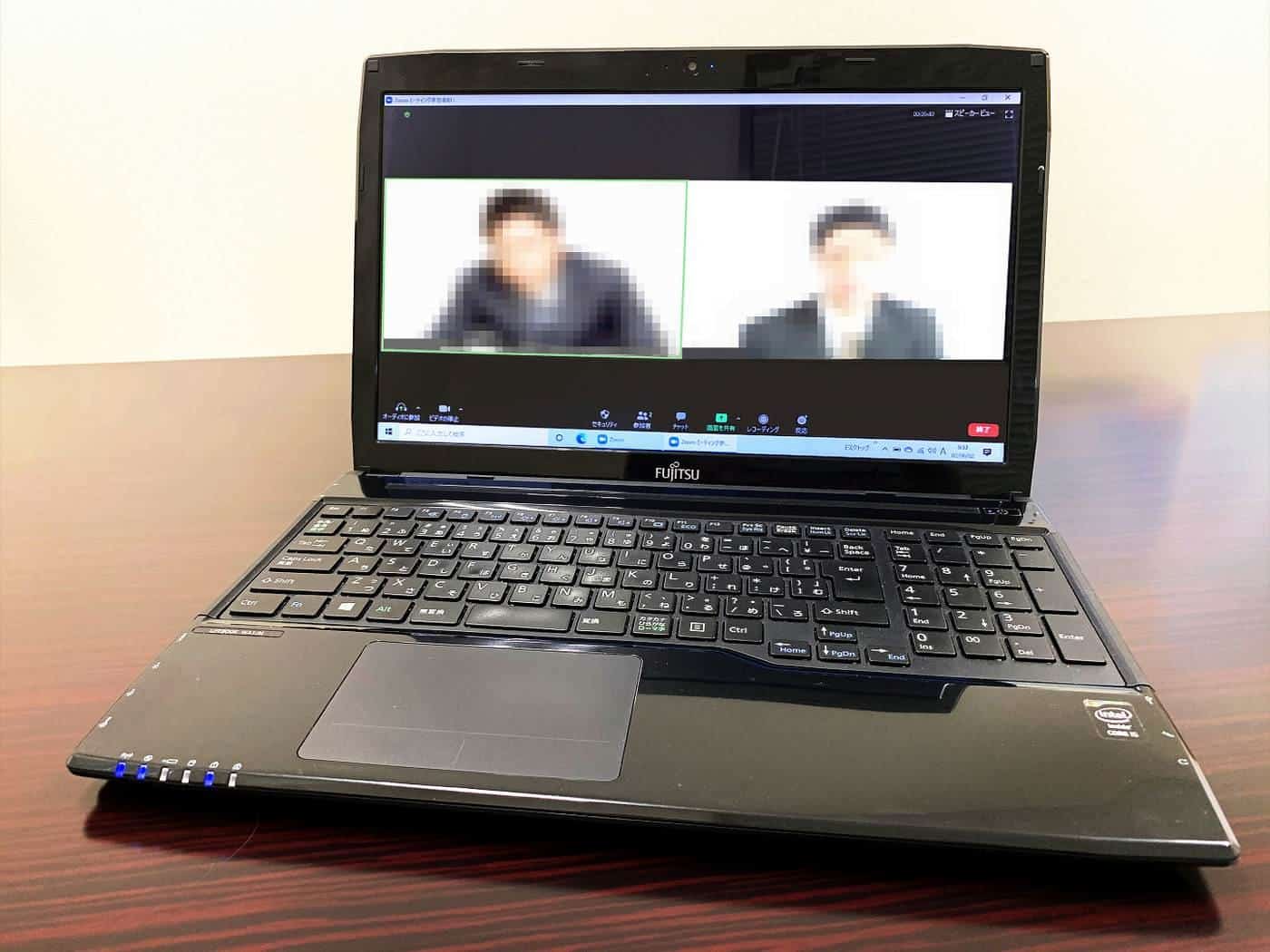
Many interviews now happen over video. Prepare as you would for an in-person interview, plus:
- Test your camera, microphone and internet connection beforehand.
- Choose a quiet spot with good lighting and a tidy background.
- Close other apps and silence notifications.
- Have your résumé, notes and questions handy.
- Look at the camera when speaking, and pause slightly to allow for delays.
Ask questions about how the team works remotely: how they communicate, how often they meet, how new staff are onboarded and how performance is assessed. Our video calls guide has more tips.
Avoiding job scams
Scammers target people looking for flexible work. Scamwatch warns about job and employment scams. Warning signs include:
- High pay for simple tasks, such as liking posts, rating products or "optimising" apps.
- Being contacted out of the blue through messaging apps or social media.
- Being asked to pay for training, equipment, a starter kit or access to tasks.
- Being asked to receive money into your account and transfer it elsewhere, which may be money laundering.
- Requests for identity documents or bank details before a genuine interview or offer.
- Vague job descriptions, poor communication or pressure to start immediately.
Legitimate employers don't ask you to pay to get a job. If you're unsure, research the company independently, and report suspected scams to Scamwatch.
After you get an offer
Before accepting, get the details in writing: your employment type, pay, hours, location requirements, equipment, expenses, and how flexibility works. If anything is unclear, ask. Once you start, invest in relationships with your new colleagues, ask plenty of questions and agree on how you'll communicate.
If your current job could be remote
Sometimes the best remote job is the one you already have. If your role could be done from home, consider negotiating a flexible arrangement with your current employer. If you're eligible, you can make a formal request under the Fair Work Act. Read our flexible work rights guide.
Keeping your search organised
Track every application in a simple spreadsheet: the role, employer, date applied, contact and next step. It stops you losing track and helps you follow up at the right time.
Building a remote-friendly profile
Employers hiring remotely look for evidence that you can work independently. On your résumé and profile, mention past remote or hybrid work, the collaboration tools you have used and examples of managing your own time and deadlines. Write clearly and concisely, because much remote communication happens in writing, and your application is the first example an employer sees.
Key points
Read remote job listings carefully, search widely across job boards, careers pages and networks, and present clear evidence that you work well independently. Prepare for video interviews, check whether a role is employment or a contract, get advice before working for overseas employers, and never pay to get a job.
Frequently asked questions
Where can I find remote jobs in Australia?
On general job boards using remote and work-from-home filters, on employers' own careers pages, through professional networks and industry groups, and on specialist remote job sites. Government employment services can also help.
What does 'hybrid' mean in a job ad?
Usually a mix of working from home and attending a workplace. Ask how many days are expected in the office and whether that's fixed or flexible.
Can I work remotely for an overseas company from Australia?
Sometimes, but it can raise questions about employment status, tax, superannuation and workplace rights. Get advice before agreeing.
How can I tell if a remote job is a scam?
Be wary of jobs that pay well for little work, ask you to pay upfront, ask you to receive or transfer money, recruit through messaging apps or ask for identity documents before a genuine interview.
How do I show I can work remotely?
Highlight examples of working independently, communicating clearly in writing, managing your time and using collaboration tools.
Sources and further reading
Facts on this page were checked against these primary and official sources. Conditions change — confirm before you travel or buy.
- Workforce Australia — Australian Government
- Job and employment scams — Scamwatch
- Flexible working arrangements — Fair Work Ombudsman
- Independent contractors and employees — Fair Work Ombudsman