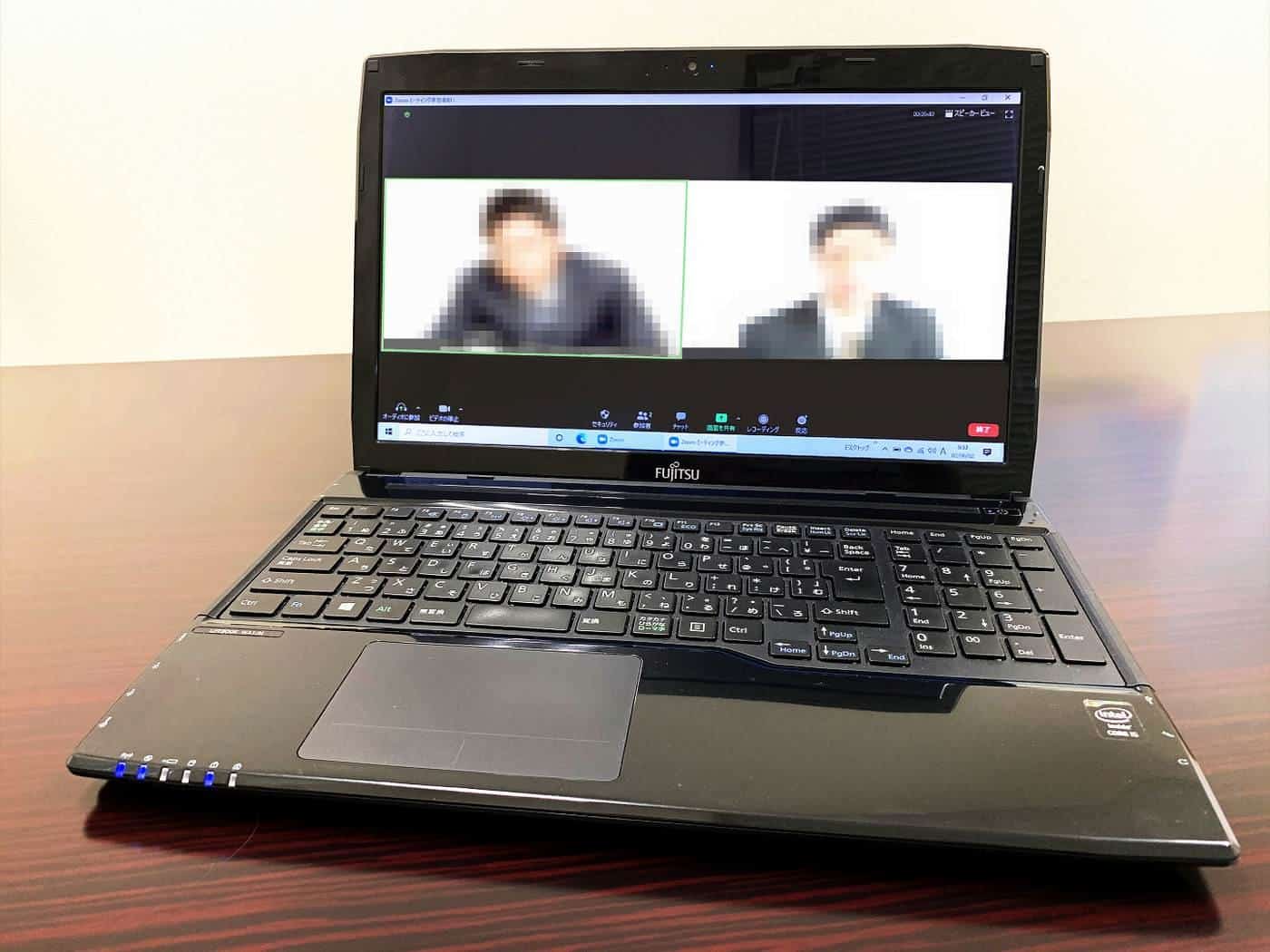
Remote work often means working with people who aren't in your city, and sometimes not in your country. Even within Australia, time zones and daylight saving create gaps that shift through the year. With international colleagues and clients, the challenge grows: finding a meeting time that suits everyone can mean someone dialling in very early or very late.
This guide explains Australia's time zones, how daylight saving complicates things, how to find overlap and how to schedule fairly and work well asynchronously.
3
Mainland time zones
UTC+10, +9:30, +8
5
States/territories with DST
NSW, Vic, ACT, Tas, SA
Overlap
Plan around it
Use the planner
Try the planner
Choose each location and its working hours to see when everyone is online, shown in local time.
Shared working hours today
Calculating…
Uses your browser's time zone data for today's date, including daylight saving where it applies. Check again when clocks change, as overlaps shift.
Australia's time zones
Mainland Australia has three standard time zones:
- Australian Eastern Standard Time (AEST), UTC+10: Queensland, New South Wales (mostly), the ACT, Victoria and Tasmania.
- Australian Central Standard Time (ACST), UTC+9:30: South Australia, the Northern Territory and Broken Hill in New South Wales.
- Australian Western Standard Time (AWST), UTC+8: Western Australia.
Lord Howe Island and some other places have their own arrangements.
Daylight saving
Daylight saving is observed in New South Wales, Victoria, the ACT, Tasmania and South Australia, running from the first Sunday in October to the first Sunday in April. Clocks move forward one hour. Queensland, the Northern Territory and Western Australia don't observe daylight saving.
This means that during summer, Australia effectively has five different times on the mainland:
- NSW, Victoria, the ACT and Tasmania move to UTC+11.
- South Australia moves to UTC+10:30.
- Queensland stays on UTC+10.
- The Northern Territory stays on UTC+9:30.
- Western Australia stays on UTC+8.
So Sydney and Brisbane share the same time in winter but are an hour apart in summer, and Sydney and Perth are two hours apart in winter and three in summer. Calendar apps handle this automatically, but people often forget when making plans by hand.
International time zones
Other countries' daylight saving dates differ from Australia's, and in the northern hemisphere daylight saving happens during our winter. So the gap between Sydney and London, for example, changes twice a year, at different times. New Zealand has its own daylight saving dates. Always check the time difference for the date of the meeting, not today.

Finding overlap
Start by listing each person's location and normal working hours, then find the hours when everyone is working. Our planner above does this for you. Things to keep in mind:
- Overlap shrinks or disappears as time differences grow. Teams spanning Australia and Europe or the Americas may have little or no overlap within normal hours.
- Overlap changes when daylight saving starts and ends in different places.
- People's working hours vary, and some have caring responsibilities or other constraints.
Scheduling fairly
When there's little overlap, someone has to meet early or late. To keep it fair:
- Rotate inconvenient times so the same people don't always bear the burden.
- Keep meetings short when they fall outside normal hours.
- Record meetings and share notes for those who can't attend.
- Respect boundaries. Don't expect people to be available outside agreed hours. The right to disconnect protects many employees from having to respond outside working hours, unless refusal is unreasonable.
- Make it a team decision. Agree on core hours and meeting norms together.
Working asynchronously
Asynchronous work, where people contribute at different times rather than in real time, is the key to working across large time differences. Practices include:
- Written updates instead of status meetings.
- Shared documents where people comment and edit in their own time.
- Recorded videos for walkthroughs and presentations.
- Clear task tracking so everyone knows who's doing what.
- Clear handovers at the end of each person's day.
- Explicit response expectations, such as replying within one working day.
Good asynchronous work relies on clear writing: state the context, what you need, by when, and any decisions already made.
Tools that help
- Calendar apps show events in each person's local time. Set your time zone correctly, and show colleagues' time zones in your calendar.
- Chat and email status can show your working hours and local time.
- World clocks on your phone or computer help you see the time in other locations at a glance.
- Scheduling tools that find common free times can save back-and-forth.
Health and wellbeing
Regular early or late meetings can disrupt sleep and family life. Watch for signs of fatigue, and talk to your manager if your schedule is becoming unsustainable. Work health and safety duties, including managing psychosocial risks such as long hours and fatigue, apply to remote work. Our wellbeing guide has more.
Tips for meeting invitations
- Send invitations from a calendar app so times convert automatically.
- If you write a time in an email, include the time zone, such as "10 am AEST", or better, list the time in each participant's location.
- Avoid ambiguous terms like "EST", which can mean Australian or US Eastern time.
- Double-check meetings scheduled near daylight saving changes.
Key points
Australia has three mainland standard time zones, and daylight saving in some states but not others creates up to five different times in summer. Use calendar tools and our planner to find overlap, rotate inconvenient meeting times fairly, respect boundaries and rely on clear asynchronous communication.
Frequently asked questions
How many time zones does Australia have?
Mainland Australia has three standard time zones: Australian Eastern Standard Time (UTC+10), Australian Central Standard Time (UTC+9:30) and Australian Western Standard Time (UTC+8). Daylight saving adds more differences for part of the year.
Which states have daylight saving?
New South Wales, Victoria, the ACT, Tasmania and South Australia observe daylight saving, from the first Sunday in October to the first Sunday in April. Queensland, the Northern Territory and Western Australia don't.
What's the time difference between Sydney and Perth?
Two hours during standard time, and three hours while New South Wales is on daylight saving.
How can I find a good meeting time across time zones?
Use our time zone planner to see shared working hours in each person's local time, and rotate inconvenient times fairly if there's little overlap.
What is asynchronous work?
Work that doesn't require people to be online at the same time, such as written updates, shared documents and recorded videos. It's essential for teams with little time zone overlap.
Sources and further reading
Facts on this page were checked against these primary and official sources. Conditions change — confirm before you travel or buy.
- Time zones and daylight saving — Department of Industry, Science and Resources
- Right to disconnect — Fair Work Ombudsman
- Working from home overview — Safe Work Australia
- National Measurement Institute — Australian Government